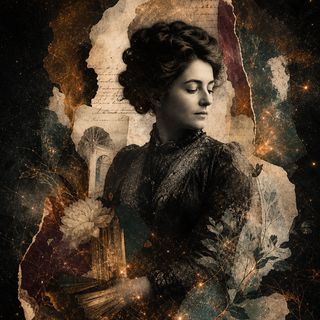
Maria Montessori
1870-1952Developed an educational method based on observing children, using learning materials and preparing environments for independent activity.
Meet women through what they made, changed, discovered and questioned. Every public record separates Matria’s interpretation from its sources.
Developed an educational method based on observing children, using learning materials and preparing environments for independent activity.
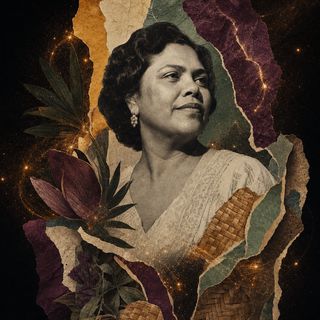
Helped lead the campaign for Australia's 1967 referendum through organising and advocacy for Aboriginal rights.
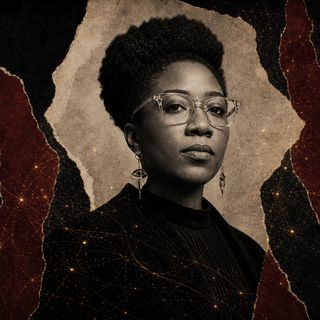
With Timnit Gebru, published Gender Shades in 2018, measuring errors in three commercial gender-classification systems across skin-type and gender groups.

Coauthored Gender Shades and On the Dangers of Stochastic Parrots and founded the Distributed AI Research Institute.
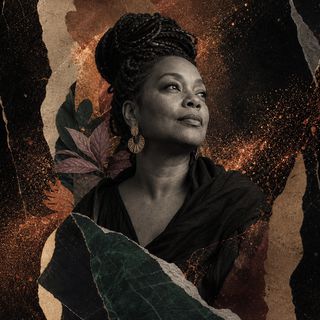
Founded The Nap Ministry and wrote Rest Is Resistance, connecting collective rest practices with criticism of racism and compulsory productivity.
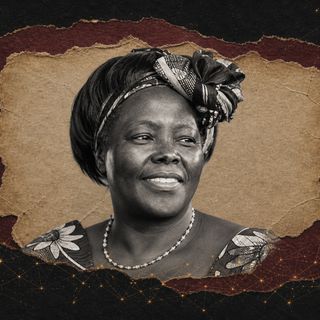
Founded Kenya's Green Belt Movement in 1977, organising women to plant trees and protect their livelihoods. She received the Nobel Peace Prize in 2004.
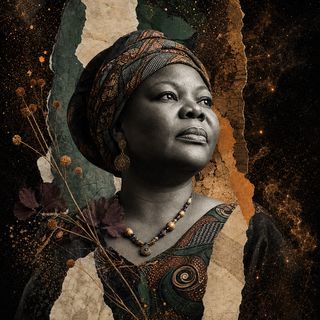
Helped organise Christian and Muslim women in the Women of Liberia Mass Action for Peace during the civil war.
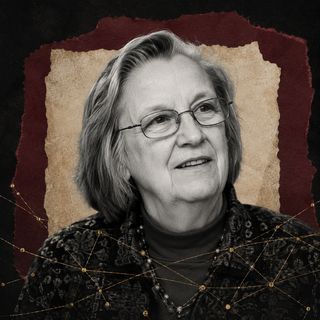
Studied how communities govern shared resources and published Governing the Commons. She shared the 2009 Nobel Memorial Prize in Economic Sciences.
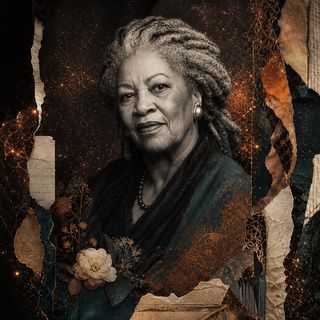
Wrote novels including The Bluest Eye, Song of Solomon and Beloved. She received the Nobel Prize in Literature in 1993.
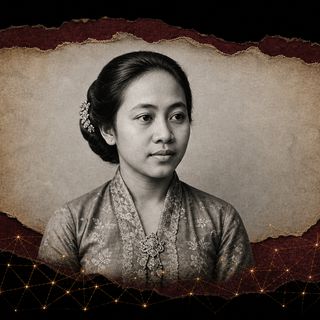
Wrote letters arguing for girls' education and criticising forced marriage and the seclusion of women in her Javanese social world.
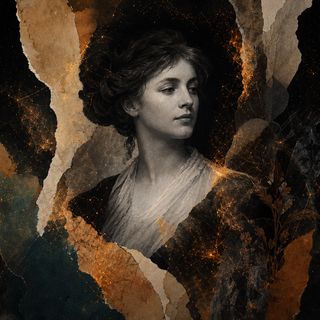
Published A Vindication of the Rights of Woman in 1792, arguing that women should receive education as rational beings.
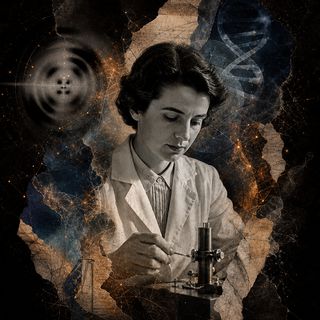
Used X-ray diffraction to investigate DNA, producing Photograph 51 with Raymond Gosling. She also researched coal and viruses.
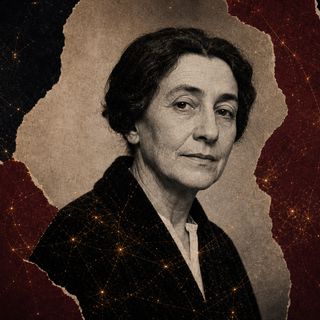
Created woven artworks, taught textile design and published On Weaving in 1965.
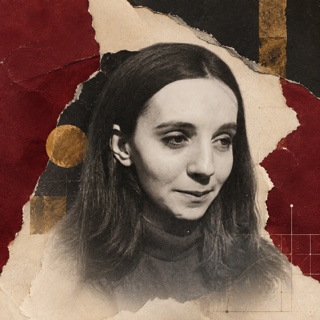
Invented the first home pregnancy test, Predictor, by turning an existing laboratory procedure into a kit women could use at home.
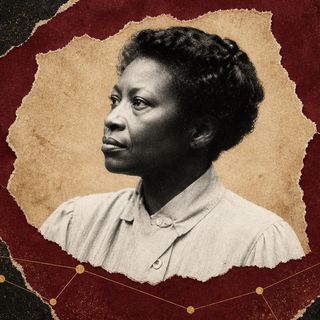
Created sculptures including Gamin and Lift Every Voice and Sing, taught artists in Harlem and directed the Harlem Community Art Center.
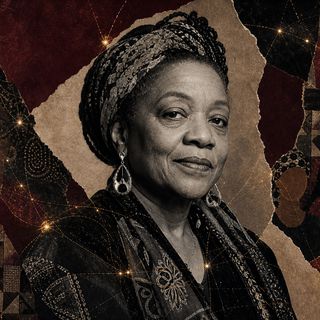
Created story quilts combining painting, fabric and written narrative, including Tar Beach, which she also made into a children's book.
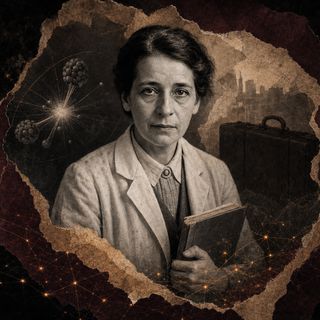
With Otto Frisch, explained nuclear fission after interpreting experimental results obtained by Otto Hahn and Fritz Strassmann.
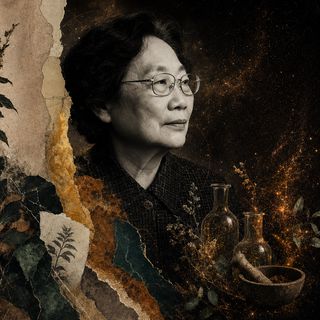
Led research that identified artemisinin as an antimalarial compound, drawing a clue from Chinese medical texts and testing extraction methods.
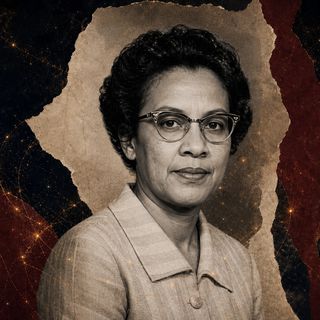
Calculated and checked flight trajectories at NASA for missions including early US crewed flights and Apollo.
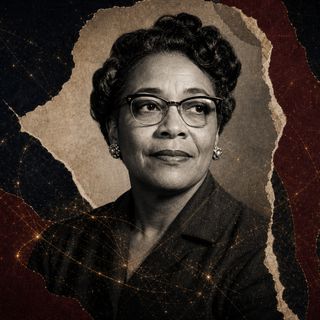
Led NACA's segregated West Area Computing unit from 1949 to 1958 and developed expertise in FORTRAN programming.
The app contains a wider archive, including entries still awaiting sufficient sources.